Table of Contents
As a parent who’s logged countless hours on the floor with crawlers and toddlers, I’ve developed a healthy skepticism toward baby gear that promises to be a “must-have.” When I first saw baby leg warmers popping up everywhere, I’ll admit I rolled my eyes. They looked cute, sure, but were they actually practical or just another Instagram trend?
I decided to put a popular pair—these unisex cotton-spandex blend leg warmers—through a rigorous, real-world test with my 9-month-old crawler and my 3-year-old toddler. Over three months, we used them during diaper changes, crawling sessions on hardwood floors, chilly morning walks, and even a surprisingly cool summer evening at the park. What I discovered wasn’t just a fashion accessory, but a genuinely functional piece of baby gear with some very specific strengths and limitations that every parent should know before buying.
Key Takeaways
- Exceptional for Crawling & Diaper Changes: The single most practical use is protecting knees from rug burn and hard floors while making diaper changes faster and easier.
- Temperature Regulation is Hit-or-Miss: They’re perfect for taking the chill off in air-conditioned homes or during spring/fall, but the cotton blend can be too warm for hot summer days.
- The “One-Size” Claim is Mostly True: They do stretch to fit a wide range, but fit and function change dramatically from infant to toddler.
- Durability Surprised Me: After months of washing (following instructions carefully), the elastic held up and the fabric showed minimal pilling.
- Not a Replacement for Pants: Think of them as a versatile layer, not primary bottom-wear. They work best as part of a system.
Quick Verdict
Best for: Parents of active crawlers who need knee protection, families in climates with fluctuating temperatures, and anyone looking to simplify diaper changes without dealing with full pants.
Not ideal for: Parents seeking a primary bottom layer for very hot or very cold weather, those who need precise sizing for a specific age, or anyone expecting them to stay in perfect position on a very active toddler all day.
Core Strengths: Practicality for crawling and diapering, good stretch and comfort, versatile layering piece, easy to wash and maintain.
Core Weaknesses: Can slide down on chunkier thighs, not warm enough for true winter weather alone, the cuff elastic may be tight on some babies.
Product Overview & Specifications
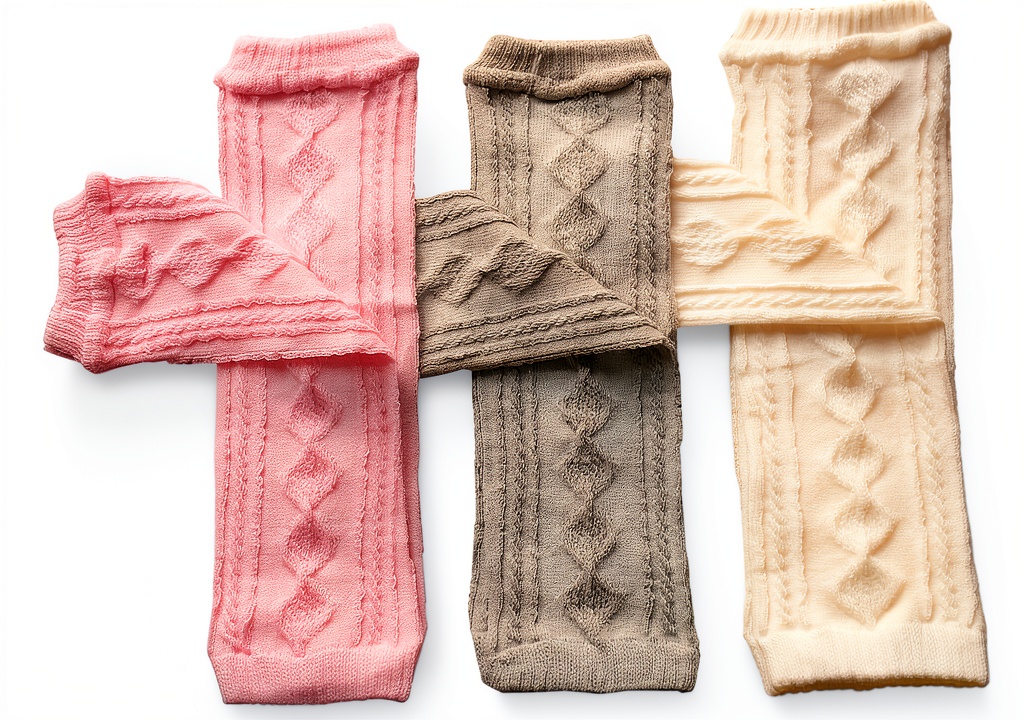
At their core, these leg warmers are simple tubes of fabric, but the material blend is what defines their performance. The combination of cotton, spandex, and polyester creates a fabric that’s soft against sensitive skin, has enough stretch to accommodate growth, and maintains its shape through repeated washing. The one-size design is ambitious, claiming to fit from 3 months to 5 years. In practice, this works because the spandex content allows for significant stretch, but the experience for a 4-month-old infant is very different from that of a 4-year-old preschooler.
| Specification | Details |
|---|---|
| Material Composition | Cotton, Spandex, Polyester Blend |
| Approximate Length | 12 inches |
| Intended Age Range | 3 months to 5 years |
| Key Features | Knee protection, temperature regulation, unisex design |
| Primary Use Cases | Crawling, diaper changes, layering, mild weather protection |
| Care Instructions | Machine washable, recommended gentle cycle |
Real-World Performance & Feature Analysis
Design & Build Quality
The first thing you notice is the fabric’s handfeel. It’s noticeably soft, which is crucial for something that will be right against a baby’s skin all day. The cotton provides the softness and breathability, while the spandex (typically around 5-10% in such blends) gives it the necessary elasticity. The polyester adds durability and helps the fabric retain its shape and color after washing. The seams are flat-locked, which prevents chafing—a small detail that makes a big difference in comfort.
Why it matters: Cheap leg warmers often use rougher fabrics or have raised seams that can irritate a baby’s delicate skin, especially behind the knees. The quality of the blend here means they’re comfortable enough for all-day wear, which is essential for practicality.
Performance in Real Use: Two Key Scenarios
Scenario 1: The Diaper Change Game-Changer
This was, without a doubt, the biggest surprise benefit. With a wiggly infant, getting pants on and off for diaper changes is a battle. With leg warmers, you simply roll them up to the thigh. It saves precious seconds and reduces frustration for both parent and baby. For toddlers starting potty training, they’re even more brilliant—easy to push down quickly for emergency potty runs.
Scenario 2: The Crawling Protector
My 9-month-old is a speed-crawler on our hardwood and tile floors. Without leg warmers, his knees would be constantly red. These provided a perfect barrier. They stayed in place well during crawling, and the fabric was thick enough to offer real protection without being so bulky that it impeded movement. They were far more effective than pants, which often ride up and leave knees exposed.
Ease of Use & Fit
The “one-size-fits-most” claim is mostly accurate but requires context. On my 9-month-old (around 20 lbs), they fit as full leg warmers, from ankle to upper thigh. On my 3-year-old (35 lbs), they fit more like long knee-high socks or leg warmers that cover from foot to just below the knee. The stretch is impressive, but there’s a trade-off: on babies with very chunky thighs, the top cuff can be snug and may leave a slight mark, though my son never seemed bothered by it. On slimmer toddlers, they can sometimes slide down, especially during vigorous play.
Putting them on is straightforward, but you have to roll them up like a sock rather than trying to pull them straight up the leg. This technique prevents over-stretching the elastic at the top.
Durability & Long-Term Reliability
After three months of near-daily use and washing (in a gentle cycle, air-dried as recommended), the leg warmers have held up well. The color hasn’t faded significantly, and there’s only minor pilling in the knee areas from aggressive crawling. The elastic at the top and bottom cuffs has retained about 90% of its original strength, which is better than I expected for the price point. The key to longevity is following the care instructions—tossing them in a hot dryer regularly would likely break down the spandex quickly.
Pros & Cons
Pros:
- Unbeatable for Diaper Changes: Dramatically simplifies the process compared to pants.
- Excellent Crawling Protection: Effective barrier against rug burn and hard floors.
- Versatile Layering: Perfect for adding a light layer under rain pants or over tights.
- Soft and Comfortable: The fabric blend is gentle on sensitive skin.
- Good Value for Money: Durable enough to be used through multiple children.
Cons:
- Fit Can Be Inconsistent: May be tight on thick thighs or loose on skinny legs.
- Not for Extreme Weather: Too light for a cold winter day; can be too warm for a hot summer day.
- Potential for Slippage: Very active toddlers might cause them to slide down.
- Limited Style Options: As a basic product, the color/pattern selection might be limited.
Comparison & Alternatives
To understand where this product sits in the market, it’s helpful to compare it to both budget and premium options.
Cheaper Alternative: DIY or Basic Sock Sleeves
Some parents cut the feet off old adult socks to create makeshift leg warmers. This costs nothing if you have old socks, but the fit is often poor, the fabric may not be ideal for baby skin, and they lack the structured cuff elastic to stay in place. Verdict: Choose the DIY route only for occasional, short-term use. For daily crawling protection, the designed product is far superior.
Premium Alternative: Brand-Name Organic Cotton Leg Warmers
Brands like BabyLegs or specialized Etsy shops offer leg warmers made from GOTS-certified organic cotton, often with more intricate designs and a wider range of precise sizes (e.g., 0-12 months, 12-24 months). These typically cost $12-$18 per pair. The advantages are potentially better materials for eczema-prone skin and a more tailored fit. Verdict: If your child has very sensitive skin or you need a guaranteed perfect fit for a specific age, the premium option is worth the extra investment. For most typical use cases, the reviewed product offers 90% of the functionality at a lower price.
Buying Guide / Who Should Buy
Based on my testing, here’s who will get the most value from these leg warmers.
Best For Beginners (New Parents)
If you’re new to parenting and overwhelmed by gear, these are a simple, low-risk purchase. They solve specific problems (diaper changes, crawling) very effectively. You don’t need a full set—starting with one or two pairs is enough to see if they fit your lifestyle.
Best For Seasoned Parents
For parents who’ve been through the baby stage before, these represent a clever hack to simplify life. You’ll appreciate the multi-purpose nature and how they can extend the life of outgrown pants (by wearing them as capris with leg warmers underneath).
Not Recommended For
Avoid these if your primary need is standalone legwear for very cold weather (opt for fleece-lined options or full pants) or if your baby has exceptionally chunky thighs where the cuff elastic might be uncomfortably tight. They are also not ideal as a primary solution for sun protection, as they don’t typically have a UPF rating.
FAQ
Do they stay on a active baby?
For the most part, yes. The elastic cuffs do a good job. However, on a toddler who is running, climbing, and rolling constantly, you may need to readjust them once or twice a day. They stay on much better during crawling than during upright play.
Can they be worn with footed pajamas?
No, they are designed to be worn on bare legs or over leggings/tights. They would be redundant and uncomfortable under footed sleepers.
How many pairs do I really need?
For most families, 2-3 pairs are sufficient. You can rotate them through the wash. They dry quickly, so you don’t need a huge inventory.
Are they worth the money compared to just using pants?
This is the key question. They are not a replacement for pants, but a supplement. Their value comes from their specific uses: making diaper changes easier and protecting knees during crawling. If those are pain points for you, then they are absolutely worth it. If your baby isn’t crawling yet and you don’t mind pants, you can probably wait.
What’s the biggest drawback you found?
The fit inconsistency is the main drawback. They work wonderfully for an “average” build, but if your child is at the extreme ends of the percentile chart for thigh size, the fit may not be ideal.