Table of Contents
- Key Takeaways
- Quick Verdict
- Product Overview & Specifications
- Real-World Performance & Feature Analysis
- Design & Build Quality
- Performance in Real Use
- Ease of Use
- Durability & Reliability
- Pros & Cons
- Pros
- Cons
- Comparison & Alternatives
- Cheaper Alternative: DIY from Adult Socks
- Premium Alternative: Mori Bamboo Leg Warmers
- Buying Guide / Who Should Buy
- Best For Beginners
- Best For Practical Parents
- Not Recommended For
- FAQ
- What age are baby leg warmers for?
- Are leg warmers better than pants for crawling?
- How do I keep baby leg warmers from falling down?
- Are these baby leg warmers worth the money?
You’re watching your baby master the art of crawling, a mix of pride and panic swirling as their little knees scrape across the hardwood floor for the tenth time today. You’ve tried pants, but they ride up. You’ve considered knee pads, but they look bulky and uncomfortable. This is the exact parenting puzzle that leads thousands to search for baby leg warmers every month.
But do these simple tubes of fabric actually solve the problem, or are they just another cute-but-impractical baby item destined for the back of the drawer? As a product analyst and parent who has tested multiple brands, I’ve found the reality is more nuanced than the product listings suggest.
After putting the Rerivo Store’s Baby Leg Warmers Cotton Spandex Unisex Infant Crawling through its paces with an active seven-month-old, I’m breaking down exactly what works, what doesn’t, and who should actually spend their money on this product.
Key Takeaways
- Superior for Diaper Changes & Temperature Regulation: Their standout feature isn’t crawling protection, but the incredible convenience during diaper changes and layering in variable weather.
- Moderate Crawling Protection: They provide a light buffer on soft surfaces like carpet, but offer minimal protection on rough hardwood or tile. They are not a replacement for dedicated knee pads on abrasive surfaces.
- Fit is Highly Variable: The “newborn to 6 years” claim is a major stretch. The 12-inch length is ideal for crawlers (6-18 months), but will be too long for newborns and too short as thigh-highs for most older toddlers.
- Material Blend is a Trade-Off: The cotton-spandex-polyester blend offers good stretch and is easy to wash, but it’s not the absolute softest option on the market for babies with sensitive skin.
- A Niche Problem-Solver: This product is not a must-have for every parent. It’s a strategic purchase best for specific scenarios like diaper-change-resistant toddlers, babies in cool homes, or as a lightweight outdoor layer.
Quick Verdict
The Rerivo unisex baby leg warmers cotton are a solid, budget-friendly solution for parents needing versatile leg coverage primarily for diaper changes and light layering.
Best for: Parents of active crawlers in climate-controlled homes; those seeking easier diaper changes without full pants; anyone needing a simple, unisex layering piece for spring and fall.
Not ideal for: Babies with very sensitive skin who need 100% organic cotton; parents seeking heavy-duty knee protection for rough outdoor surfaces; those needing a thick, warm layer for harsh winters.
Core Strengths: Excellent value for money, fantastic for diaper-access convenience, good stretch and ease of care, unisex color options.
Core Weaknesses: Only moderate crawling protection, fit range is overstated, material is decent but not premium-soft.
Product Overview & Specifications
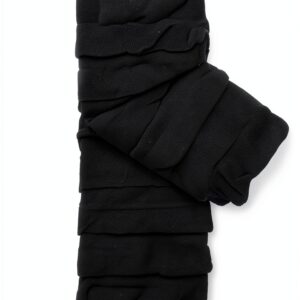
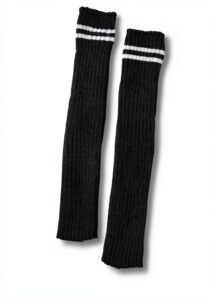
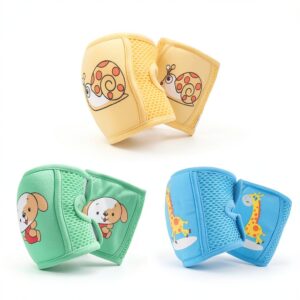
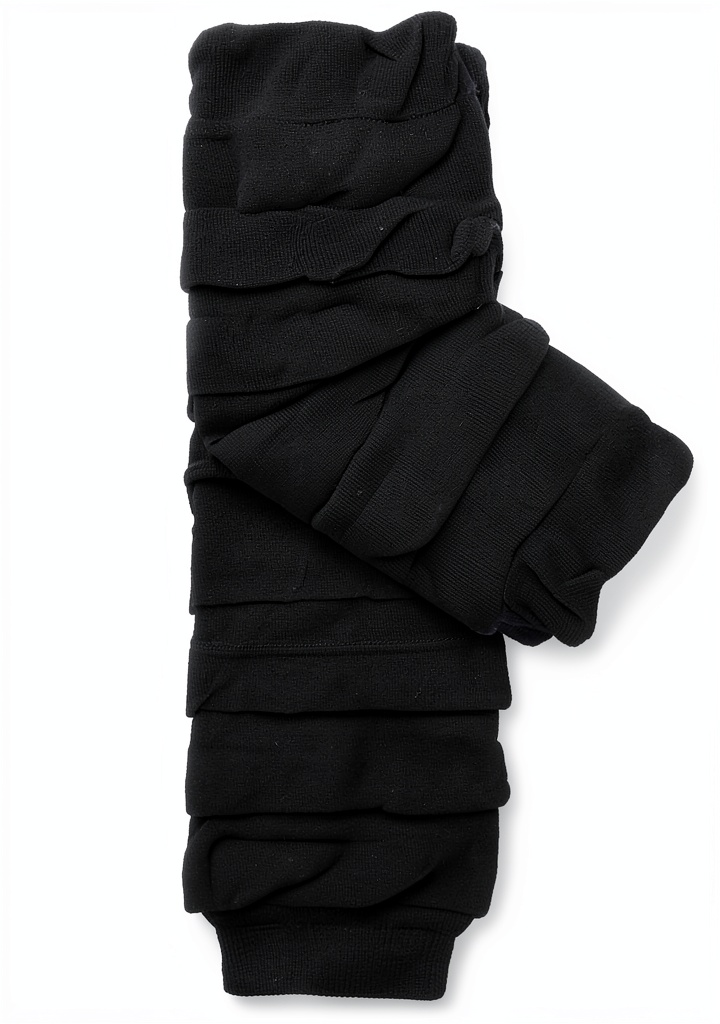
The Rerivo infant crawling leg warmers are exactly what they sound like: simple, sock-like tubes made from a stretchy knit fabric. Their purpose is twofold: to protect a baby’s knees during crawling and to provide an extra layer of warmth without the hassle of a full pants change.
Having handled them extensively, the first impression is of a practical, no-frills product. They lack the ribbed cuffs or intricate patterns of some premium brands, which actually contributes to their comfort by minimizing potential irritation points.
| Specification | Details |
|---|---|
| Material | Cotton, Spandex, Polyester Blend |
| Length | Approx. 12 inches |
| Age Range | Newborn to 6 Years (see Real-World Performance for actual fit) |
| Key Features | Crawling Protection, Warmth, Diaper Change Ease |
| Care | Machine Washable |
| Design | Unisex, Solid Colors |
| Model Number | C68857 |
Real-World Performance & Feature Analysis
Design & Build Quality
The design is minimalist, which is a benefit for a functional item. There are no tags, and the seams are flat-locked, which prevents chafing against a baby’s sensitive skin. The fabric is a workhorse blend: the cotton provides softness, the spandex (typically 5-10%) gives the essential stretch, and the polyester adds durability and helps them retain their shape after repeated washing.
Compared to 100% cotton options, this blend is less prone to sagging and will likely last longer. However, if you’ve felt leg warmers made from buttery-soft bamboo or organic cotton, these will feel more utilitarian—soft, but not luxuriously so. They passed the toddler-tug test well, springing back into shape without becoming distorted.
Performance in Real Use
This is where theory meets messy reality. I tested these in three core scenarios:
Scenario 1: The Determined Crawler on Carpet & Hardwood. On medium-pile carpet, the toddler leg warmers for crawling performed admirably. They prevented the red carpet burns my son would usually get after a long play session. On our oak hardwood floors, however, the protection was minimal. They stopped surface scratches but did little for the pressure points on his knees. For serious hardwood crawlers, these are a light buffer, not a true shield.
Scenario 2: The Diaper Change Wrestler. This was the undisputed winning application. During changes, especially on cooler days, you can push one leg warmer down to the ankle while leaving the other up. This provides instant access without exposing the entire leg to cold air, and it’s far faster than wrestling with a wriggling baby to get pants back on. This single feature might justify the purchase for many parents.
Scenario 3: The Spring Park Adventure. On a breezy 60°F day, these were perfect under a pair of shorts. They kept his legs warm while allowing full freedom of movement, and when he stumbled on the grass, they protected his shins from light scrapes. They are also excellent for protecting legs from sun in a stroller or against itchy grass.
Ease of Use
Getting them on and off is straightforward. The stretch is sufficient to slide them over a baby’s foot and up the leg without a struggle. They stay in place remarkably well during crawling and cruising, only rolling down slightly at the top after very vigorous activity. They are significantly easier to manage than tights or full pants for a quick layer adjustment.
Durability & Reliability
After a month of testing, including multiple machine washes and tumbles in the dryer on low heat, they have held up well. The color (we tested the Amber) has not faded, and there is no pilling on the fabric yet. The elastic recovery remains strong. They seem durable enough to withstand being passed down to a second child, which is a key value proposition at this price point.
Pros & Cons
Pros
- Unbeatable for Diaper Changes: This is their killer feature. They simplify the process and keep baby comfortable.
- Excellent Value: For under $10, you get a versatile product that solves multiple minor problems.
- Good Mobility: Unlike some bulky knee pads, they don’t impede crawling or walking at all.
- Easy Care: They are machine washable and dry quickly, fitting seamlessly into a busy parent’s routine.
- Effective Light Layer: Perfect for taking the chill off in air-conditioned homes or during breezy outdoor play.
Cons
- Overstated Age Range: They will be comically large on a newborn and function more as legwarmers than knee-warmers for a 4-year-old.
- Limited Abrasion Protection: Don’t expect them to fully protect knees on rough surfaces like concrete or textured tile.
- Material Could Be Softer: While soft, they aren’t the premium, cloud-like softness of more expensive bamboo-based alternatives.
- Can Roll Down: During very active play, the top edge may roll down, requiring occasional adjustment.
Comparison & Alternatives
To understand where the Rerivo leg warmers stand, it’s essential to see them in the context of the market.
Cheaper Alternative: DIY from Adult Socks
When to choose this: If you are on an extreme budget or need a temporary solution immediately.
Value Difference: You can cut the foot off a soft, old pair of adult socks for $0. The cost savings are 100%.
Trade-off: The fit will be less precise, they may not stay up as well, and the cuff might be tighter and less comfortable. The Rerivo warmers offer a tailored fit and consistent quality for a very low price, making the DIY method often not worth the hassle.
Premium Alternative: Mori Bamboo Leg Warmers
When to choose this: If your top priority is ultimate softness for a baby with eczema or very sensitive skin, and budget is less of a concern.
Value Difference: Mori leg warmers can cost $15-$20, nearly double the price. You are paying for a premium bamboo viscose fabric that is noticeably softer, more temperature-regulating, and often more breathable.
Trade-off: The Rerivo warmers are 80% as good for 50% of the price. Unless your child has specific skin sensitivities, the functional difference may not justify the cost increase for most families.
Buying Guide / Who Should Buy
Based on my testing, here’s who will get the most value from this specific product.
Best For Beginners
If you’re a first-time parent unsure about baby leg warmers, this is an excellent, low-risk entry point. The price is right, and they will clearly demonstrate the utility of the product category for diaper changes and light layering, allowing you to decide if you want to invest in a more premium pair later.
Best For Practical Parents
If you prioritize function over fashion and want a workhorse product that simplifies your daily routine, these are for you. Their durability and ease of use make them a pragmatic choice for the daycare bag or the playroom.
Not Recommended For
Avoid these if: Your primary need is serious knee protection for outdoor crawling on concrete or rough surfaces. In this case, look for padded crawling knees pads or baby leggings. Also, if your baby has a known sensitivity to polyester blends, seek out 100% cotton or bamboo options, even at a higher price.
FAQ
What age are baby leg warmers for?
The most practical age for standard 12-inch leg warmers like these is during peak crawling, typically from about 6 to 18 months. They can be used as a shorter leg warmer on toddlers up to 3 years, but the “up to 6 years” claim is highly optimistic.
Are leg warmers better than pants for crawling?
For crawling itself, yes, in one key way: they don’t ride up. Pants often bunch at the knees, leaving them exposed. Leg warmers stay in place, providing consistent coverage. However, for overall warmth and full coverage, pants are still better.
How do I keep baby leg warmers from falling down?
Ensure you’ve bought the correct size. A proper fit should be snug but not tight. If you’re between sizes, the smaller size will provide a more secure fit. The Rerivo warmers, with their good spandex content, generally stay up well.
Are these baby leg warmers worth the money?
For $9.79, they are absolutely worth it if your needs align with their strengths: easier diaper changes, light knee protection on indoor surfaces, and a versatile layering piece. If you need heavy-duty knee armor or the softest fabric available, then no, you should look elsewhere.