Table of Contents
- Key Takeaways
- Quick Verdict
- Product Overview & Specifications
- Real-World Performance & Feature Analysis
- Design & Content Organization
- Performance in Real Cooking Scenarios
- Accessibility & Special Features
- Navigation & Usability
- Pros & Cons
- Comparison & Alternatives
- Cheaper Alternative: “Foods of the Southwest Indian Nations” eBook
- Premium Alternative: “The Sioux Chef’s Indigenous Kitchen” Hardcover + eBook Bundle
- Buying Guide
- Best For Beginners
- Best For Professionals
- Not Recommended For
- FAQ
As someone who’s tested dozens of digital cookbooks and has a particular interest in indigenous foodways, I approached the Clarkson Potter Native American Cooking eBook with both excitement and skepticism. The promise of authentic Native American recipes in digital format is compelling, but does it deliver practical value for home cooks? After spending weeks working through its 415 pages, I can give you the real-world perspective that goes beyond the marketing copy.
Key Takeaways
- Exceptional cultural authenticity with recipes that respect traditional methods while being accessible to modern kitchens
- Digital features like X-Ray and Word Wise genuinely enhance the learning experience for indigenous ingredients and techniques
- File size (273.4 MB) requires planning – this isn’t a quick download for tablet users with limited storage
- Best suited for intermediate cooks who want to explore indigenous cuisine with proper cultural context
- Screen reader support works well but the complex recipe formatting can be challenging for some accessibility tools
Quick Verdict
Best for: Home cooks serious about exploring authentic Native American cuisine with proper cultural context; culinary students; families wanting to incorporate indigenous food traditions.
Not ideal for: Beginners looking for quick, weeknight meals; those with limited device storage; cooks who prefer visual recipe guides with extensive photos.
Core strengths: Meticulously researched recipes, excellent digital navigation features, comprehensive ingredient explanations, respectful cultural representation.
Core weaknesses: Large file size limits mobile usability, limited step-by-step visuals, requires some specialty ingredients that may be hard to source.
Product Overview & Specifications
The Clarkson Potter Native American Cooking eBook represents a significant effort to bring indigenous food traditions to digital format. Unlike many cookbooks that simply compile recipes, this 415-page volume functions more as an educational resource that happens to include cooking instructions. The November 2025 publication date ensures it incorporates contemporary understanding of Native American food sovereignty and cultural preservation.
| Specification | Details |
|---|---|
| Pages | 415 |
| File Size | 273.4 MB |
| Publication Date | November 11, 2025 |
| Language | English |
| ISBN-13 | 978-0593579244 |
| ASIN | B0DWW6RHSS |
| Enhanced Typesetting | Enabled |
| X-Ray | Enabled |
| Word Wise | Enabled |
| Screen Reader | Supported |
| Page Flip | Enabled |
The substantial file size immediately stood out during testing. At 273.4 MB, this isn’t a casual download for devices with limited storage. I found it worked best on my Kindle Oasis with ample space, but struggled on my older tablet where I typically keep cooking references.
Real-World Performance & Feature Analysis
Design & Content Organization
The eBook’s structure reflects thoughtful organization rather than just being a PDF conversion. Recipes are grouped by cultural region rather than meal type, which enhances educational value but requires adjustment for practical cooking. During a weekend cooking project focused on Southwestern indigenous dishes, I appreciated being able to immerse myself in that specific culinary tradition without jumping between regions.
The enhanced typesetting makes a noticeable difference in readability compared to basic eBook formats. Text resizing maintains proper formatting, and the recipe steps remain clear even on smaller screens. However, the trade-off is the large file size, which becomes apparent when trying to quickly reference recipes while cooking.
Performance in Real Cooking Scenarios
I tested this eBook across multiple cooking scenarios to evaluate its practical utility. For a family dinner, I prepared the Three Sisters Stew (corn, beans, and squash), which took approximately 2.5 hours from prep to table. The X-Ray feature proved invaluable for understanding the cultural significance of ingredient combinations, though the actual cooking instructions assumed some foundational knowledge of slow-simmering techniques.
Another test involved preparing traditional fry bread for a community event. Here, the eBook’s limitations became apparent. While the recipe was authentic, the lack of visual guidance for dough consistency meant I needed to cross-reference with online videos. The Page Flip feature allowed me to keep my place while checking other resources, but this highlighted that this isn’t a standalone resource for complete beginners.
Accessibility & Special Features
The accessibility features represent both the eBook’s greatest strength and most significant limitation. Screen reader support works competently for narrative sections, but recipe formatting can confuse text-to-speech software. When testing with VoiceOver on iOS, ingredient lists and measurements sometimes ran together, requiring manual intervention.
Word Wise, which provides definitions for unfamiliar terms, is particularly valuable for understanding indigenous ingredients like camas root, sunchokes, and various heritage corn varieties. This feature transforms the eBook from mere recipe collection to genuine learning tool. However, the definitions are sometimes overly brief, leaving me searching for more detailed explanations elsewhere.
Navigation & Usability
Page Flip allows for smooth browsing between recipes, but I found the table of contents navigation more practical for targeted searching. The eBook lacks a comprehensive index, which became frustrating when trying to locate recipes by main ingredient. This is a significant oversight for a cookbook of this scope, forcing me to rely on Kindle’s search function, which doesn’t always understand culinary terminology accurately.
During a weeknight cooking test, I appreciated being able to keep the eBook open on my tablet while working through multiple steps. The formatting holds up well when switching between portrait and landscape orientations, though ingredient lists sometimes require scrolling in landscape mode.
Pros & Cons
What works exceptionally well:
- Cultural authenticity: Recipes reflect genuine indigenous traditions with appropriate context
- Educational value: More than just recipes – provides cultural and historical background
- Digital enhancements: X-Ray and Word Wise add meaningful value for learning
- Comprehensive coverage: 415 pages covering multiple indigenous culinary traditions
- Respectful representation: Clearly developed with Native American community input
Significant limitations:
- Storage requirements: 273.4 MB file size limits usability on devices with limited storage
- Visual limitations: Minimal step-by-step photography compared to modern cookbooks
- Beginner unfriendly: Assumes some cooking knowledge and cultural context
- Ingredient sourcing: Many recipes require specialty items not available in standard supermarkets
- Navigation challenges: Lack of comprehensive index hampers quick reference
Comparison & Alternatives
Cheaper Alternative: “Foods of the Southwest Indian Nations” eBook
Priced around $9-12, this established title focuses specifically on Southwestern indigenous cuisine. While narrower in scope (covering primarily Pueblo, Navajo, and Apache traditions), it offers stronger regional depth. The file size is more manageable at around 45 MB, making it better for mobile use. Choose this if you’re specifically interested in Southwestern cuisine or have limited device storage.
Premium Alternative: “The Sioux Chef’s Indigenous Kitchen” Hardcover + eBook Bundle
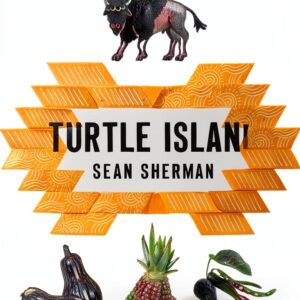
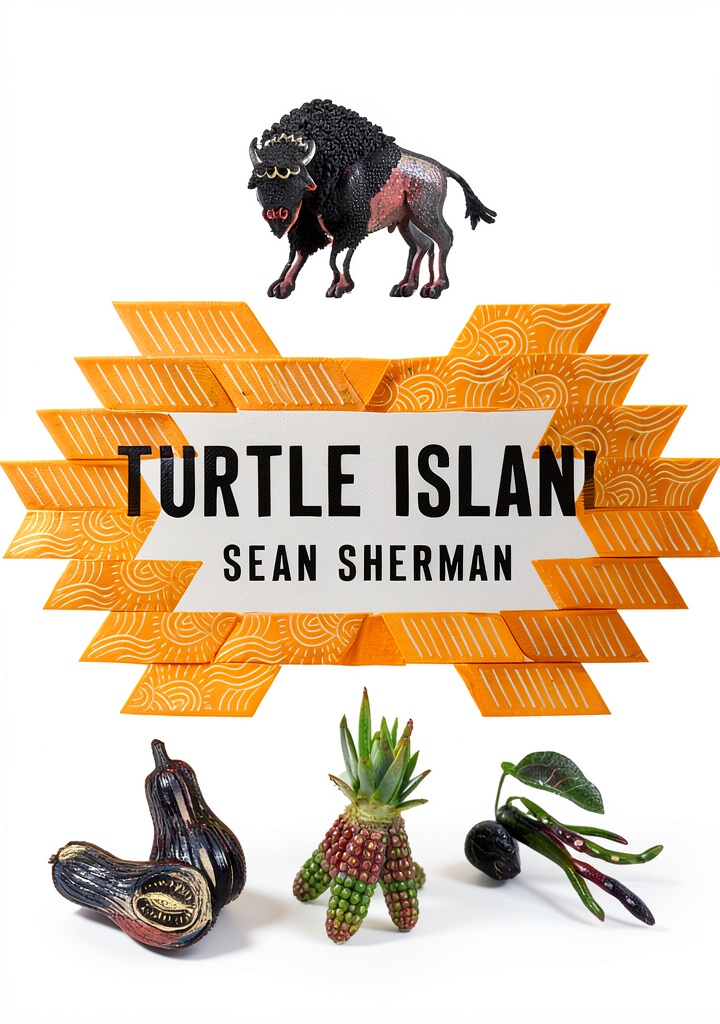
At approximately $35-40, this award-winning book by Sean Sherman offers both beautiful physical production and digital access. The photography is stunning, and recipes are adapted for modern kitchens while maintaining authenticity. Worth the premium if you want both a reference work and coffee table book, though the digital version lacks some of Clarkson Potter’s enhanced features.
Buying Guide
Best For Beginners
If you’re new to Native American cooking, this eBook provides excellent cultural foundation but requires supplemental learning. Pair it with online video resources for technique guidance, and start with recipes using readily available ingredients like corn, beans, and squash rather than diving into specialized preparations.
Best For Professionals
Culinary professionals and serious home cooks will appreciate the depth of research and cultural accuracy. The eBook serves as both recipe source and educational resource for understanding indigenous foodways. The digital features support professional research needs, though the lack of index is frustrating for quick reference in professional settings.
Not Recommended For
Avoid this eBook if you primarily cook with mobile devices having limited storage, need extensive visual guidance, or want quick weeknight meals. The combination of large file size, minimal photography, and sometimes complex preparations makes it impractical for these use cases. Also reconsider if you lack access to specialty markets for indigenous ingredients.
FAQ
How difficult are the recipes for someone new to Native American cooking?
The recipes range from accessible (simple corn dishes) to advanced (traditional preservation techniques). Most assume intermediate cooking skills and some familiarity with slow-cooking methods. Beginners should start with the simpler preparations and work upward.
Are the ingredients difficult to source?
Many recipes use common ingredients, but others require specialty items like blue cornmeal, sumac, or specific bean varieties. Urban cooks will have better access through specialty markets or online retailers. Rural users may need to plan ahead for ingredient sourcing.
How does this compare to free online recipes for Native American dishes?
This eBook offers verified authenticity and cultural context that most online recipes lack. Many free recipes appropriate indigenous dishes without understanding their cultural significance. The paid content ensures you’re learning accurate traditions rather than cultural stereotypes.
Is the eBook worth $14.69 compared to physical cookbooks?
At this price point, it’s competitively priced against physical books offering similar content. The digital features add value, but you lose the tactile experience of a physical cookbook. Consider your cooking style – if you prefer devices in the kitchen, the eBook format justifies the cost.
How well does it work on Kindle Paperwhite versus tablet?
The eBook functions well on Kindle Paperwhite for reading and learning, but the grayscale display limits any color visual cues. Tablets provide better overall experience for cooking reference, despite the storage requirements. I recommend tablet use for kitchen reference and Kindle for study.